
This week is Anti-microbial Resistance (AMR) Awareness Week. AMR is a significant challenge that affect us all. Imagine a world where common infections became life-threatening, because our medicines no longer worked. It might sound like the plot for a dystopian film, but this scenario is real and it’s happening now. Antimicrobial resistance is stopping antibiotics from being as effective as they used to be.
That’s why it’s important to raise awareness about AMR and what we can all do to slow the rise.
What is AMR?
AMR occurs when bacteria and other microorganisms evolve to survive the medicines we use to fight them. Just as we adapt to challenges, bacteria can adapt to survive antibiotics. When this happens, these vital medicines stop working when we need them most.
The Effects of AMR Globally:
Antibiotic-resistant infections are on the rise. Data published in autumn 2025 shows there are nearly 400 new cases reported every week in England – UKHSA
In 2021 alone, AMR directly caused 1.14 million deaths worldwide – UKHSA
According to a WHO 2025 Report, about 1 in 6 infections worldwide is antibiotic‑resistant, according to WHO 2025 Report, and Resistance is especially high in urinary tract and bloodstream infections.
How You Can Help
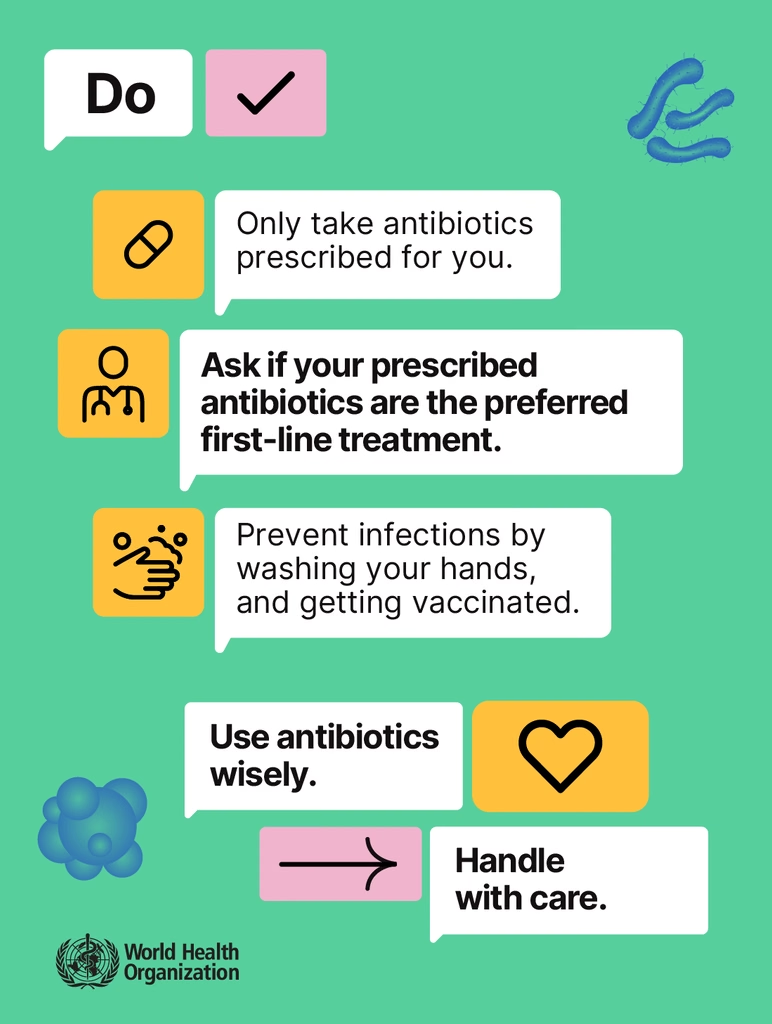
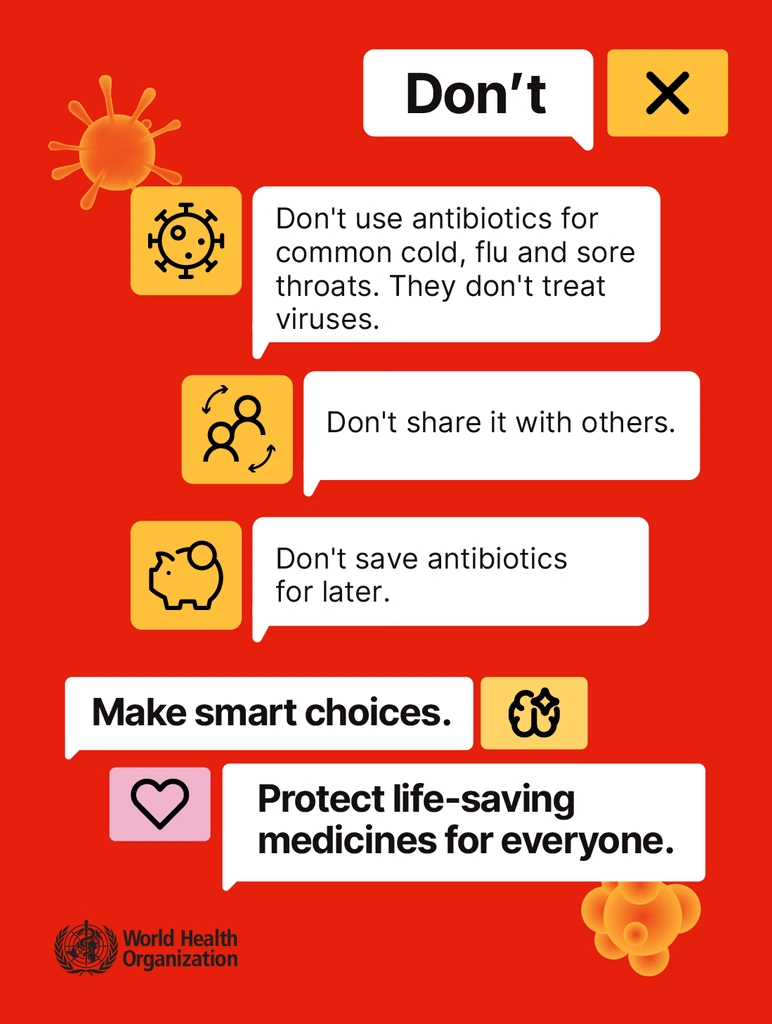
Here are 3 simple but powerful actions:
- Don’t take antibiotics for colds and flu – they won’t help because these illnesses are caused by viruses, not bacteria. If in doubt, go to your local pharmacy for advice.
- Never save antibiotics for later use – they won’t work properly and could make the problem worse.
- When prescribed antibiotics, take them exactly as directed by your GP, nurse or pharmacist, to make sure they are effective.
Other things that can help antibiotic resistance is:
- Wash your hands properly – The best way to avoid needing antibiotics is to reduce your chances of becoming unwell in the first place. Wash your hands thoroughly, cover your mouth when coughing/sneezing, and stay home when you’re ill to prevent the spread of illnesses.
- Keep your vaccinations up to date – Vaccines prevent infections from happening in the first place, which means fewer people need antibiotics. Check which ones you might be eligible this winter.