What Is Dehydration?
Dehydration occurs when your body loses more fluids than it takes in. This imbalance can disrupt normal bodily functions and, if left untreated, may lead to serious complications.
You can become dehydrated for many reasons, including:
- Not drinking enough fluids
- Hot weather or excessive sweating
- Illness (such as fever, vomiting, or diarrhoea)
- Intense exercise
Physical Signs of Dehydration
Mild dehydration often develops quietly. Here are the most common early warning signs:
1. Thirst
Feeling thirsty is your body’s first and most obvious signal that it needs more water. However, by the time you feel thirsty, you may already be slightly dehydrated.
2. Dry Mouth and Lips
A sticky or dry feeling in your mouth, along with chapped lips, can indicate a lack of hydration.
3. Dark Yellow Urine
Urine colour is one of the simplest indicators of hydration. Pale yellow generally means well-hydrated, while darker shades suggest dehydration.
4. Fatigue or Low Energy
Even mild dehydration can make you feel tired, sluggish, or lacking in focus.
5. Headaches
Not drinking enough water can trigger headaches or worsen existing ones due to reduced blood flow and oxygen to the brain.
Mental and Emotional Signs of Dehydration
If dehydration worsens, symptoms become more noticeable and may affect daily functioning.
6. Dizziness or Lightheadedness
You may feel unsteady or faint, especially when standing up quickly.
7. Dry Skin
Your skin may feel less elastic or appear dull and dry. A simple test is gently pinching your skin—if it doesn’t return quickly, you may be dehydrated.
8. Reduced Urination
Urinating less frequently (fewer than 3–4 times a day) can be a sign your body is conserving fluids.
9. Muscle Cramps
Dehydration can upset the balance of electrolytes, leading to muscle cramps or spasms.
Severe Dehydration: When to Act Quickly
Severe dehydration is a medical concern and requires immediate attention.
10. Rapid Heart Rate and Breathing
Your body may attempt to compensate for low fluid levels by increasing heart rate and breathing.
11. Confusion or Irritability
Changes in mental state—such as confusion, difficulty concentrating, or mood swings—can occur.
12. Sunken Eyes
A visible hollowing around the eyes is a common sign of advanced dehydration.
13. No Urine Production
Little to no urination is a serious warning sign that your body is critically low on fluids.
Who Is Most at Risk?
Some groups are more vulnerable to dehydration:
- Young children and infants
- Older adults
- Athletes
- People with chronic illnesses
- Individuals working in hot environments
How to Prevent Dehydration
Prevention is simple but often overlooked. Here are some practical tips:
- Drink water regularly throughout the day—not just when thirsty
- Increase fluid intake in hot weather or during exercise
- Eat water-rich foods like fruits and vegetables
- Limit excessive caffeine and alcohol, which can contribute to fluid loss
- Carry a reusable water bottle as a reminder
How Broomfield Care Can Help You
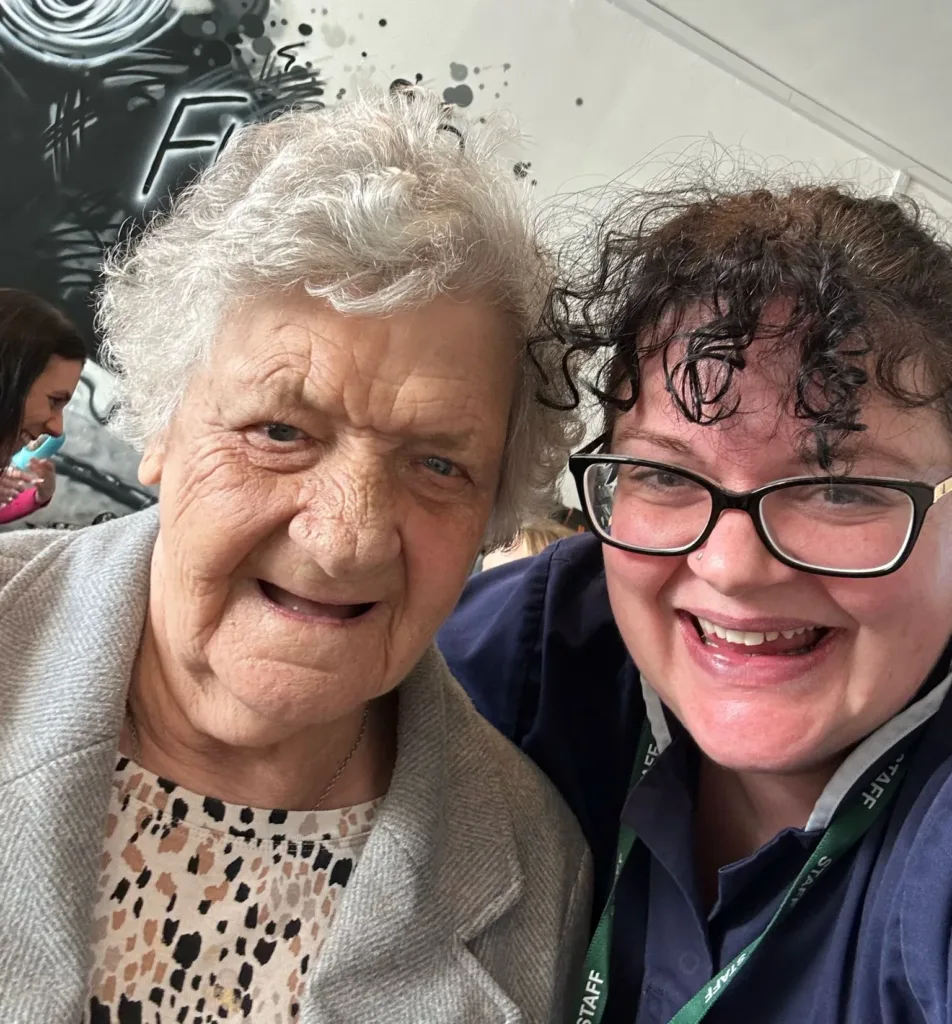
If you’re worried about a loved one’s health, we may be able to help you.
At Broomfield Care, we provide support to adults in the Gloucestershire area, within the comfort of their own homes. We provide a number of services, ranging from personal and specialist care, to welfare checks and social visits.
To find out more, contact us today or visit our website here.

